Information centre
tuvete.com, is your reliable source of pet care information. if you want to learn, here you can find some tips, about care

Everything you need to know, to travel with your pet
Ver mas...

5 things to know about the help dogs or guide dogs
1- they have a law (no. 26,858), which allows and regulates access, permanence and reambulation to people along with their assistance dog, with the due credits or constances that this requires: carrier credential and the assistance dog certification, where we can see that the can was trained and certified for the performance of their activity.
2. are duly identified, this is evidenced through their vests or farts, which carry the corresponding inscriptions or emblems. we understand that when they "wear their work uniform" (insignia vests) they are carrying out their tasks.
3. their hygiene, maintenance and others are controlled, followed by a veterinarian and institution according to a detailed plan and known to the responsible. we can give as examples your vaccination plan, food rations per day, leisure times, training and other details.
4. we must not hinder your task or the performance of your work: these canes were trained by professionals to be able to accompany the person they attend. let us not touch them, let us not give them food, let us not try to draw their attention, they are not to be an entertainment but to help people who are next to them. we are respectful of the work they are doing and of who is being accompanied by them, as any of these distractions, however small it may seem, can generate an accident and / or an interruption in a gesture or command for which they must be fully concentrated.
5. if they did not know, they have free moments, in which they can play and disperse like any pet. while their training is guided and supervised from a very early age, let us take into account that they face many stimuli of the daily life of the people who must carry out normal, such as sitting or lying on a journey in public transport, being attentive to the mechanical stairs, as well as being attentive to the physiological changes that may occur in the person they attend (medical alert dogs).
did you know there are different types of guide dogs?
Are classified according to the specificities of their accompanying task. we leave here a brief list of these true heroes that help and provide years of well-being:
Guide dog: for people with visual disabilities.
Signal dog: for people with hearing disabilities.
For, for example, people with diabetes, among other pathologies.
For example, people with motor disabilities.
Dog to accompany children with intellectual disabilities.
Pipette or tablet, which one to choose?
We will develop the theme a little more extensively on our blog, but there is something very basic that determines the choice of the most appropriate product.
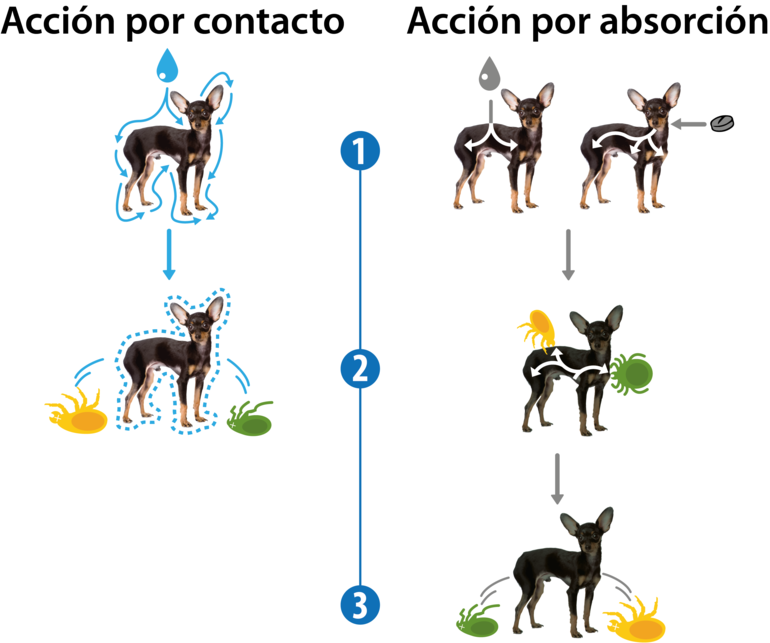
The pipettes, they have a power of turning and repellent, which is lost over time, in this case, the parasites die before they bite the animal.
The tablets, the animal ingests them, and the drug is distributed through the blood, all over the body, when the parasite ingests the blood, dies; therefore, it is necessary for them to pee before the product produces the desired effect.
If you want the animal not to be minced... the option is clear.

Animal welfare
What are we talking about, when do we refer to animal welfare (ba)? the concept of animal welfare includes three elements: 1) the proper functioning of the organism (which among other things means that animals are healthy and well fed). 2) the emotional state of the animal (including the absence of negative emotions such as pain and chronic fear) and 3) the possibility of expressing some normal behaviors of the species.
In accordance with the so-called principle of five freedoms, the welfare of an animal is guaranteed when the following five requirements are met:
1- the animal does not suffer thirst, hunger or malnutrition, because it has access to drinking water and is provided with a diet appropriate to its needs.
2- the animal does not suffer from physical or thermal stress, because it is provided with an adequate environment, including a shelter in front of the weather and a comfortable rest area.
3- the animal does not suffer from pain, injury or disease, thanks to adequate prevention and / or rapid diagnosis and treatment.
4- the animal is able to show most of its normal patterns of conduct, because it is provided with the necessary space and appropriate facilities, and is housed in the company of other individuals of its species.
5- the animal is not afraid or distracted, because the conditions necessary to avoid mental suffering are guaranteed.
Is a holding responsible for the sum of duties and obligations that must be fulfilled by the owner of a pet and this is directed towards two major areas that are: animal welfare and responsibility for animal acts.
Balanced food
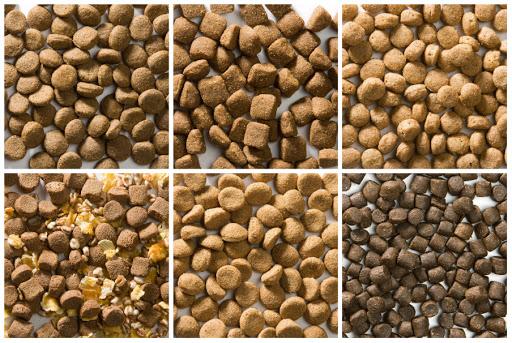
Package food became a standard that runs all races and social classes. good balanced foods are made from nutrients that provide the requirements of proteins, carbohydrates, fats, minerals and vitamins that each animal needs according to its age and adult weight. if it is of good brand and indicated by a veterinarian the nutrition of the animal will be very good and, according to studies, it will prolong the life expectancy between 3 and 5 years. a balanced food, literal is that. if we mix "balanced food," with natural food (meat, rice, etc.), all we will get is to "unbalance" the nutritional contribution. the price difference we see on the market is mainly due to two things: 1) the source of proteins (the most expensive in the formulation) and 2) the mark. the protein sources, we will find it in the list of ingredients, for example: some use "chicken," other "chicken by-products" and other "chicken by-products flour," usually here is the difference between super premium / premium / standard foods.
Behaviour
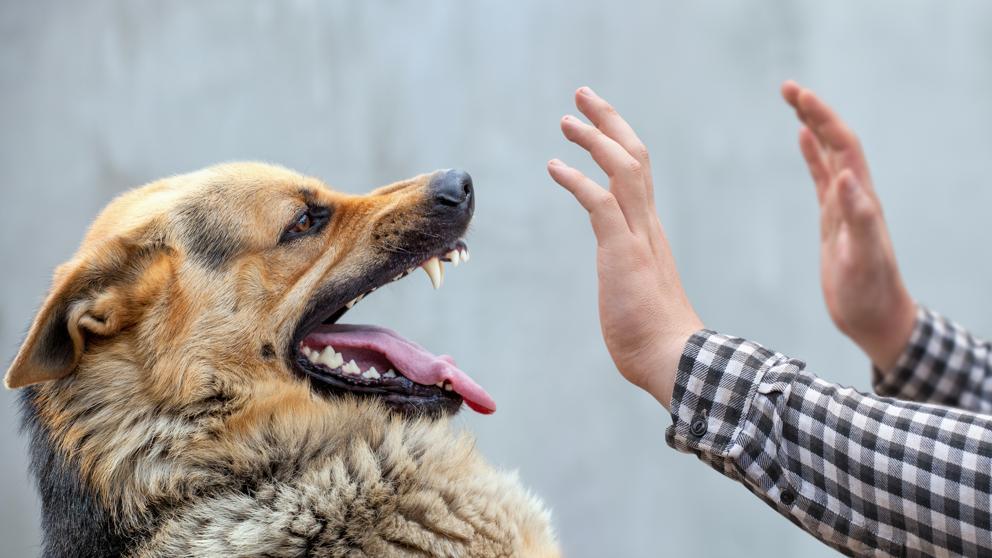
Aggression, like many other behavioural problems, is not desirable. pets with aggressive tendencies have the potential to hurt people (even their owners and small family members), other pets or themselves in an unpredictable way.
Control of this behavior will reduce the stress level of the pet and make any interaction with it much safer and more pleasant. the reasons for the aggression are multifactorial, surely your veterinarian will be able to help you.
Health
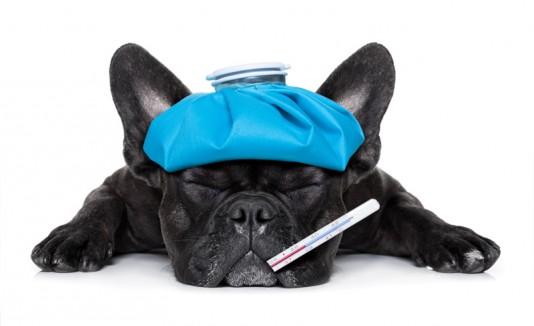
Like humans, your pets may have an increase in temperature and fever, when they are sick. unfortunately, identifying fever in dogs and cats is not as easy as in people. they can't tell us they're not feeling well, and we can't place our hand on their fronts to detect a temperature increase.
There are wrong ideas about fever between pets. some people think that feeling the nose to see if it's warm and dry is proof that there is no fever, just this is not true.
The only precise way to determine the temperature of your pet is to take it right. you don't need a special instrument; it can be done with a human thermometer. the thermometer should be lubricated with vaseline and then inserted into the rectum of your pet. the help of a second person holding your pet's head while trying to do this can help facilitate the process.
If it is a standard thermometer, keep it inserted for at least two minutes, then clean it with soap and water and disinfect it with 70% alcohol.
Normal temperatures for a cat or dog range from 38 to 39 degrees celsius. if your pet has a temperature greater than 39 ° c, then a trip to the veterinarian is necessary.
Remember: nunca, nunca... but nunca, I gave your pet human antifebrile medicines. medicines such as paracetamol, aspirin and ibuprofen may be toxic to them.
Dental care
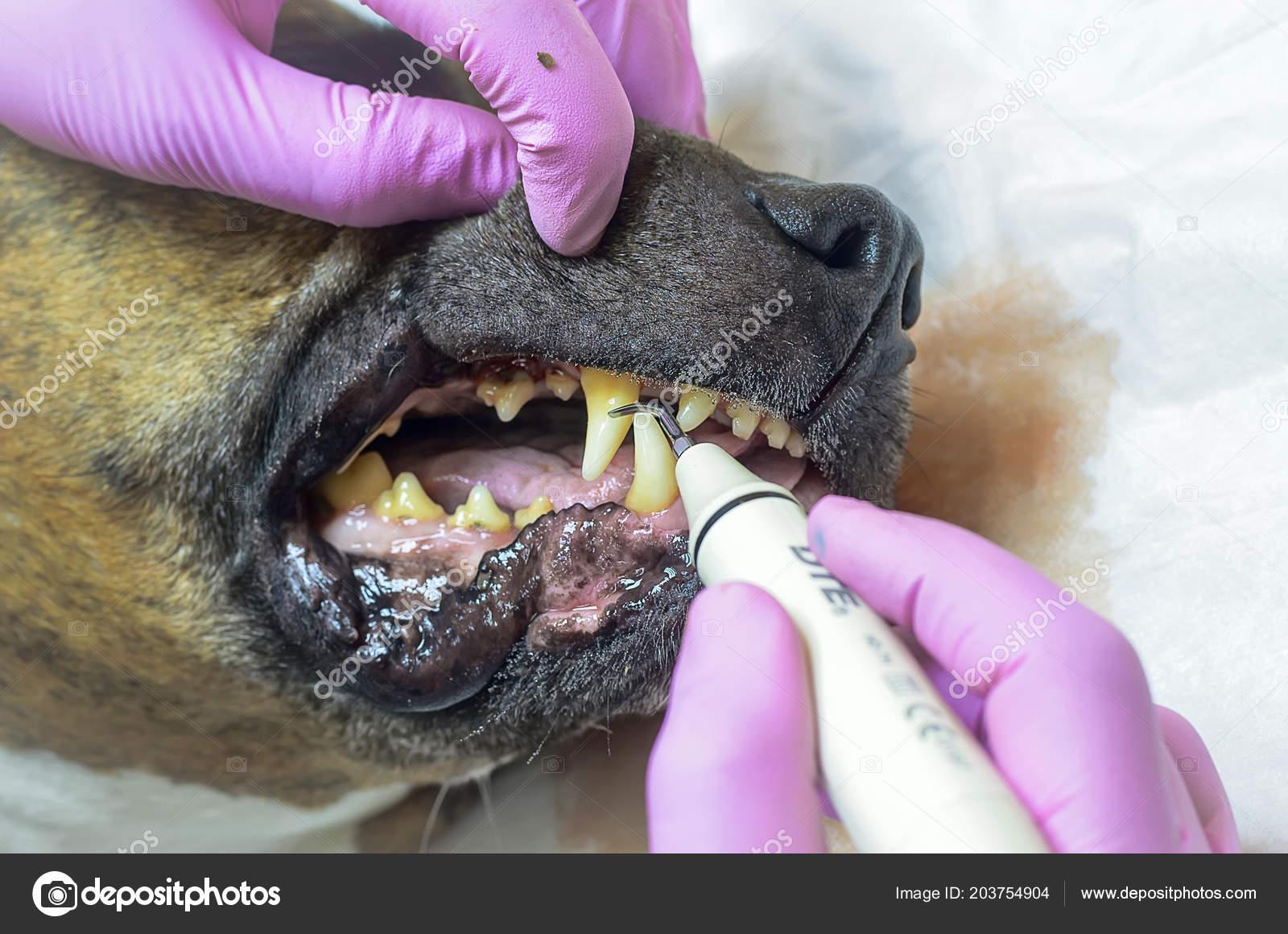
Home dental care is one of the best ways to keep your pet's teeth and gums healthy. it is important to start at the earliest possible age for the dog to get used to the brushing process.
The dental jar is composed of various mineral salts, organic material, bacteria, serum and food particles. in the early stages of accumulation, the material is soft and easy to remove, but as time passes, it hardens and adheres to the teeth. the dental jar tends to accumulate under the gingival line, retreating the gums. it is usually seen as yellow to brown material on the surface of the teeth, usually close to the gums or the gingival line and causes halitosis. if you notice any of these signs, it is time to consult your veterinarian.

Nutrition
Puppets of any kind need more calories and nutrients than adult pets and should be fed three to six times a day with foods specifically formulated for growing animals. the larger breeds can be fed three to four times a day, while the too breeds must be fed more frequently (four to six times a day) to reduce the potential for low blood sugar levels. as the puppies mature, the frequency of feeding can be reduced after reaching adulthood, feeding twice a day is commonly recommended for healthy pets. it is not recommended to feed your dog only once a day.
Obesity is an increasingly observed pathology in animals, which predisposes them of chronic diseases such as diabetes, liver disease, intestinal inflation and various skin conditions may be linked to obesity. these conditions require constant supervision of a veterinarian and may seriously harm your pet.
If you are having problems, with your partner's feeding, do not hesitate to consume us.
Also obese cats are at risk of having arthritis due to excessive wear to which their joints are subjected due to the extra kilos. keeping cats at their ideal weight reduces the likelihood of them developing this type of chronic disease.
Vacunas
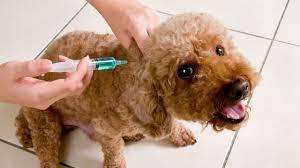
Having your pet properly vaccinated is one of the most important ways to keep it healthy and healthy. vaccines provide protection against many serious and even fatal diseases, some of which are transmitted to humans.
Vaccines are usually subcutaneous application injections, which cause a reaction to the immune system (the protective system of the body). this reaction prepares the individual to combat the infection of certain diseases from which we want to protect them.
As veterinarians we recognize the importance of vaccination against diseases and conditions. it is equally important to know why and when your pet's vaccine program should be reviewed, as adjustments may be necessary over time. there are several different reasons to evaluate your pet's vaccination plan:
- lifestyle changes
Take your pet to parks or squares or other communal areas. stay in the nursery or exhibitions. start new activities with your pet, for example, where there may be exposure to wildlife or water sources contaminated outdoors.
In addition, your cat's vaccine needs should be reassessed if you live inside or if you are an indoor cat with outdoor privileges.
- move to a different area
Certain regions of the country may have different vaccine requirements for dogs and cats compared to where they currently live. if you move to a new area, some diseases may be more or less common, depending on location.
- health problems that can develop as your pet gets older
Your puppy or kitten needs more frequent vaccines and the vaccination schedule will be based on the age of your pet. as your pet grows up to adulthood, vaccine needs may change due to age or disease.
Surgery
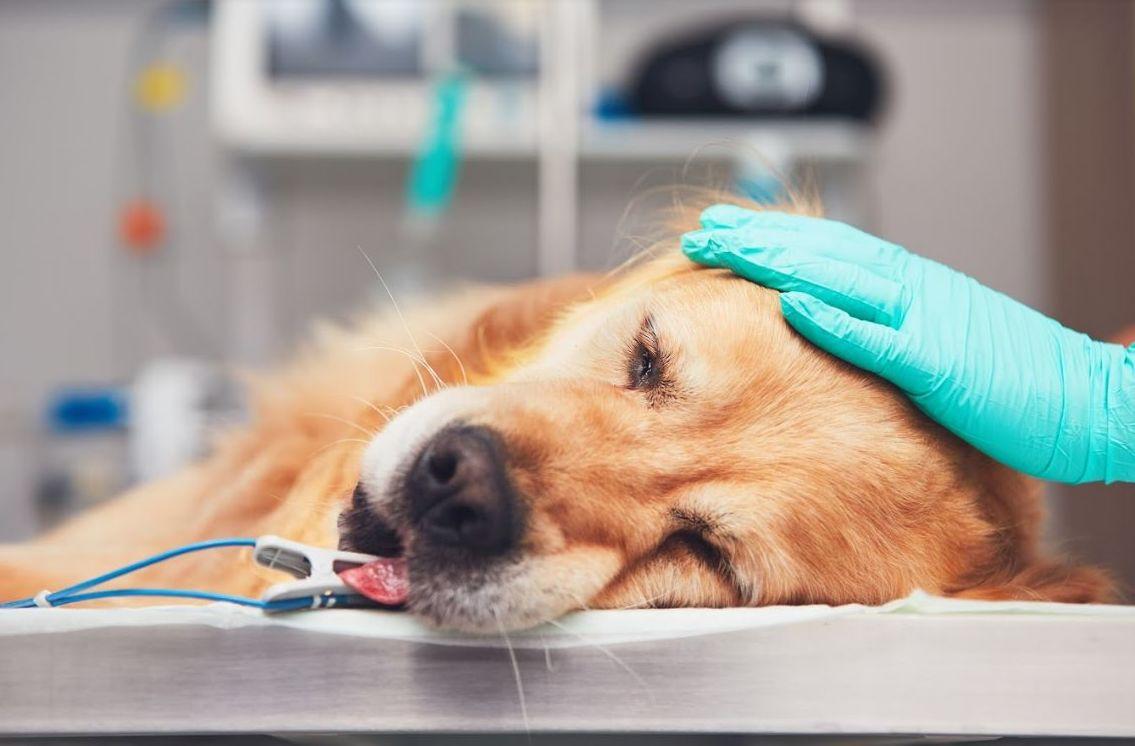
Is common and perfectly normal for an animal, lick his wounds from time to time, this includes the surgical site; but excess lick can lead to infection or premature lifting of stitch points. if your animal does not stop licking your sutures, contact your veterinarian urgently. your animal may need special necklaces or bandage to protect the incision. check the incision site and points twice a day and make sure the area is clean and dry. if you notice any shedding or inflammation, abnormal discharges or signs of pain, let it know.
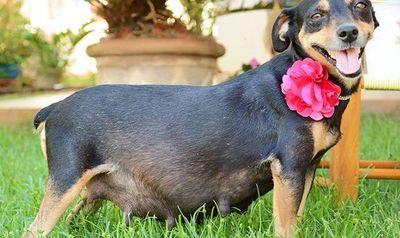
Sweet wait
The pregnancy of a bitch lasts about 63 days. this is the time when it's worth investing in the best food you can buy for your bitch. remember that these days she is eating for her and for whom she knows how many puppies are growing in her belly. the close assessment by a veterinary professional, let you know the estimated date of delivery (fep), the best way to get a safe delivery.